Getting Your Roof Ready for Hurricane Season
Living in northern Florida means knowing that hurricane season brings real risks. While you cannot control the weather, you can control how prepared your home is when a storm approaches. The roof is your home's first line of defense against high winds and heavy rain, and getting it ready before a storm arrives makes a significant difference in how well it holds up.
Roof damage during a hurricane often starts small. A loose shingle here, a gap in flashing there. Wind gets underneath, pries at edges, and before long a small problem becomes a major leak or structural failure. Understanding what makes a roof vulnerable and what can be done ahead of time helps you focus your efforts where they matter most.
How Wind Affects Your Roof
Hurricane-force winds do not just blow straight. They create pressure differences that can literally lift roofing materials off the deck. This is called wind uplift. When wind speeds are high enough, the suction on the leeward side of the roof can pull shingles or tiles upward. The steeper the roof slope, the more wind pressure it catches, but even low-slope roofs face serious uplift forces.
Wind also carries debris. A broken branch or loose piece of metal can strike the roof surface, dislodge protection, and open a path for water. Once water gets under the roofing material, it can travel along the roof deck, soak into the structure, and cause damage that is not visible until much later.
What to Inspect Before Hurricane Season
Checking your roof well before any storm watch begins gives you time to make repairs. A good inspection covers several key areas.
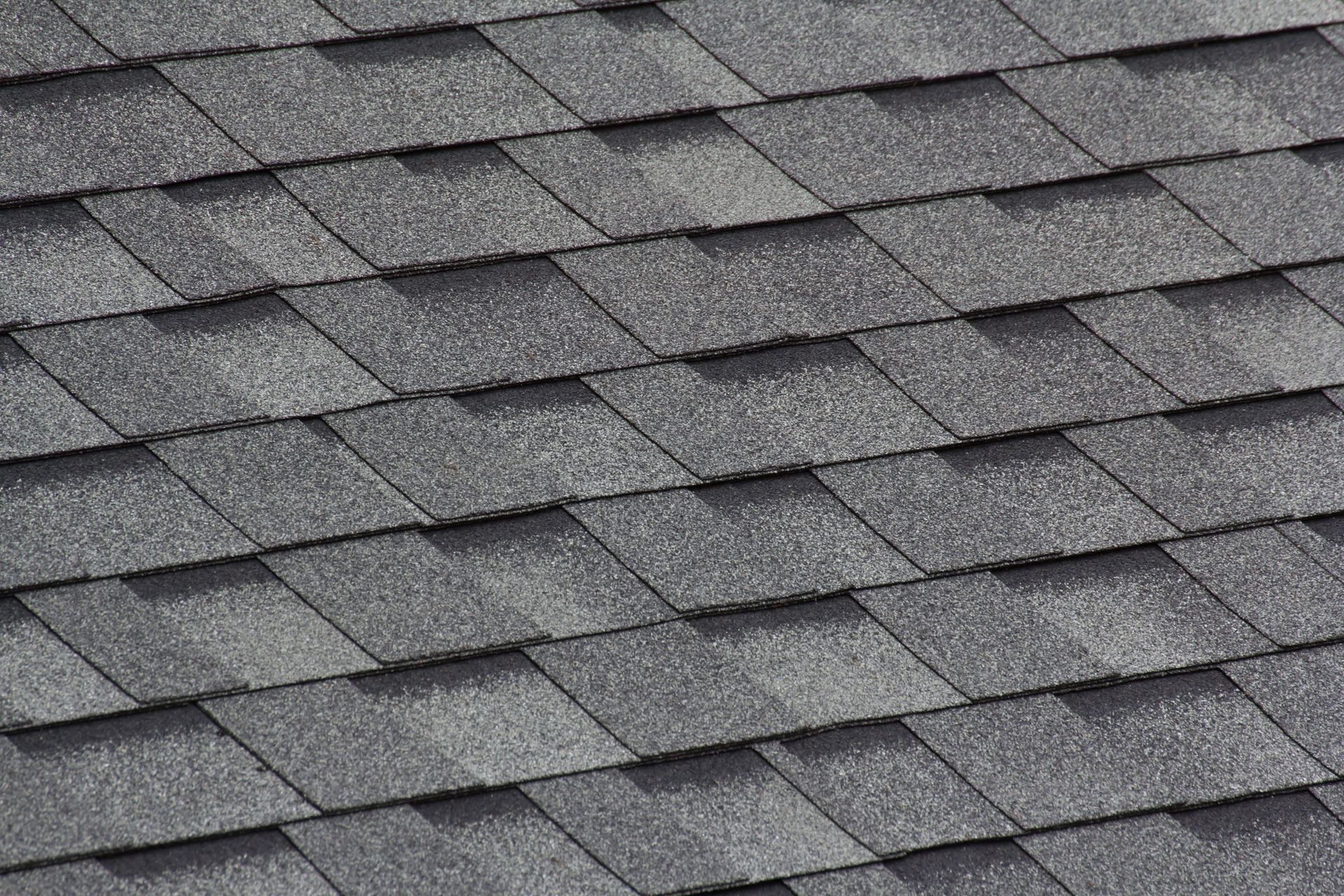
- Shingles and tiles - Look for cracked, curled, or missing asphalt shingles. These are common weak points. Even one missing shingle can let wind get under the ones next to it.
- Flashing - The metal or rubber strips around chimneys, vents, and skylights need to be sealed tight. Loose or rusted flashing is a frequent entry point for water.
- Drip edge - This is the metal strip along the eaves that directs water away from the fascia. If it is bent or missing, wind can lift the edge of the roofing material.
- Roof deck - From inside the attic, check for any signs of rot or soft spots. A weak deck cannot hold fasteners securely during high winds.
- Seals around vents and pipes - Any penetration through the roof is a potential leak. Look for cracked caulk or gaps in the sealant.
If you are not comfortable getting on the roof, binoculars from the ground or a drone inspection can reveal many problems. Some issues, like soft spots on the deck, require a closer look from a professional.
Strengthening the Roof Structure
For homeowners who want to go beyond basic maintenance, there are steps that can significantly improve how a roof withstands a hurricane. One of the most effective is ensuring the roof deck is securely fastened. Many older homes have roof sheathing nailed down with ring shank nails that can pull out under uplift. Adding more fasteners or upgrading to screws with a higher pull-out resistance can make a big difference.
Another upgrade is installing an ice and water shield under the shingles. This is a self-adhering membrane that sticks to the roof deck and seals around nails. If shingles blow off, the membrane stays in place and keeps water out until repairs can be made. While this is typically done during a re-roofing project, it is worth considering if you are planning a replacement soon.
Roof ventilation is another factor. A well-ventilated attic reduces heat buildup in summer, but it also helps equalize pressure between the inside and outside of the roof. In some designs, ridge vents and soffit vents can reduce the pressure difference that causes uplift. However, ventilation must be balanced; too much airflow can also weaken the roof's ability to stay in place. Consult a professional who understands local wind loads.
One often overlooked detail is the condition of the drip edge. This small metal strip is not just for looks. It provides a clean edge for water to fall off, but it also holds the bottom course of shingles in place. If the drip edge is loose, the wind can grab it and peel shingles upward. Replacing or securing a drip edge is a simple job that can prevent a cascade of damage.
Hurricane roof preparation does not have to be complicated, but it does require a methodical approach. Checking each component of your roof system and addressing weaknesses ahead of time is the most practical way to reduce storm damage. The goal is not to make the roof indestructible. No roof can survive a direct hit from a Category 5 storm. But a well-maintained roof with properly secured materials can weather the more common storms that come through northern Florida each season.
Gutters and Downspouts Matter Too
While the roof surface gets most of the attention, gutters and downspouts play a critical role in keeping water away from the foundation. During a hurricane, heavy rain can overwhelm clogged gutters. Water backs up, spills over the edges, and can seep under the roofline. This water intrusion can damage the fascia board, soffit, and even the roof deck edge.
Clean gutters before hurricane season. Make sure downspouts are clear and that water is directed at least a few feet away from the foundation. Consider adding gutter guards to keep leaves and debris out. If you have seamless gutters, check for any sagging sections that could collect water and add weight to the roofline.
Trim Trees and Secure Loose Items
Overhanging branches are a common source of roof damage. A limb that rubs against shingles during the wind can wear through the surface. A heavy branch that breaks can punch a hole through the roof. Trim back any branches that come within several feet of the roof. Also remove dead or weak limbs that could fall even if they are not directly over the house.
Loose items around the yard become projectiles in high winds. Patio furniture, grills, planters, and tools can be picked up and thrown against the roof. Store these items in a garage or shed before the storm arrives. If that is not possible, tie them down or bring them inside.
One of the most practical steps in hurricane roof preparation is simply reducing the number of things that can hit the roof. It is easy to overlook, but it costs nothing and can prevent a lot of damage.
When to Call a Professional
Some roof issues are straightforward enough for a homeowner to address. Replacing a few missing shingles, cleaning gutters, and trimming trees are manageable tasks. But there are times when a professional roofer's judgment is necessary. If you notice sagging sections of the roof deck, widespread shingle damage, or flashing that is pulling away from the structure, these are signs of deeper problems. Similarly, if you have an older roof that is near the end of its service life, a pre-season inspection by a qualified roofer can identify issues you might miss.
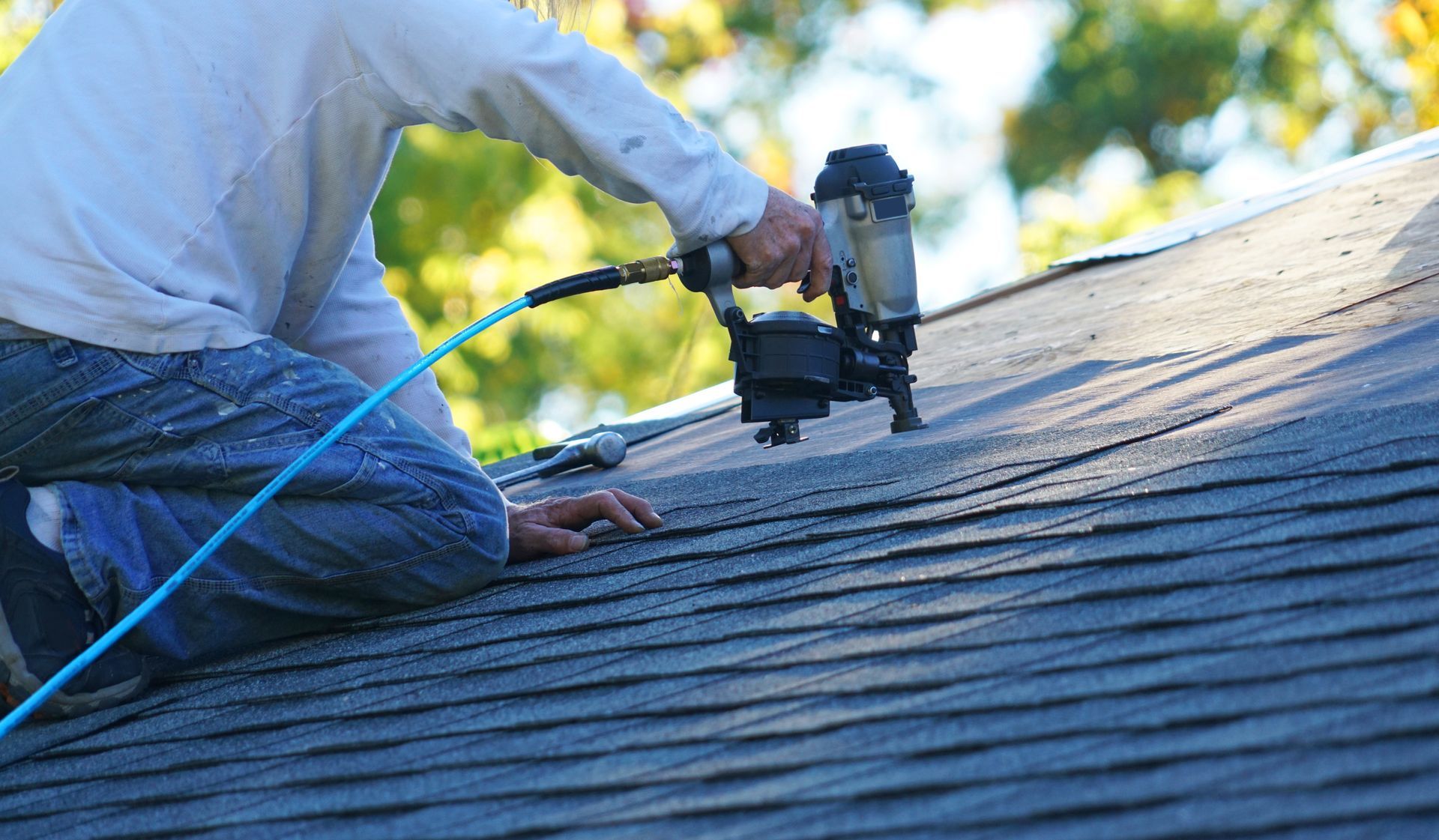
A professional can also help with more advanced preparations, such as applying sealants around roof penetrations, reinforcing flashing, or installing a secondary water barrier like an ice and water shield. These steps require experience and the right materials. For most homes in northern Florida, an annual inspection before hurricane season is a sensible investment.
Hurricane roof preparation is not a one-time task. It is an ongoing practice that becomes part of your seasonal routine. Each year, you check, repair, and improve where needed. Over time, these efforts build a roof that is more resilient and a home that is safer. The peace of mind that comes from knowing you have done what you can is worth the effort.